In Business, Panic Is Expensive
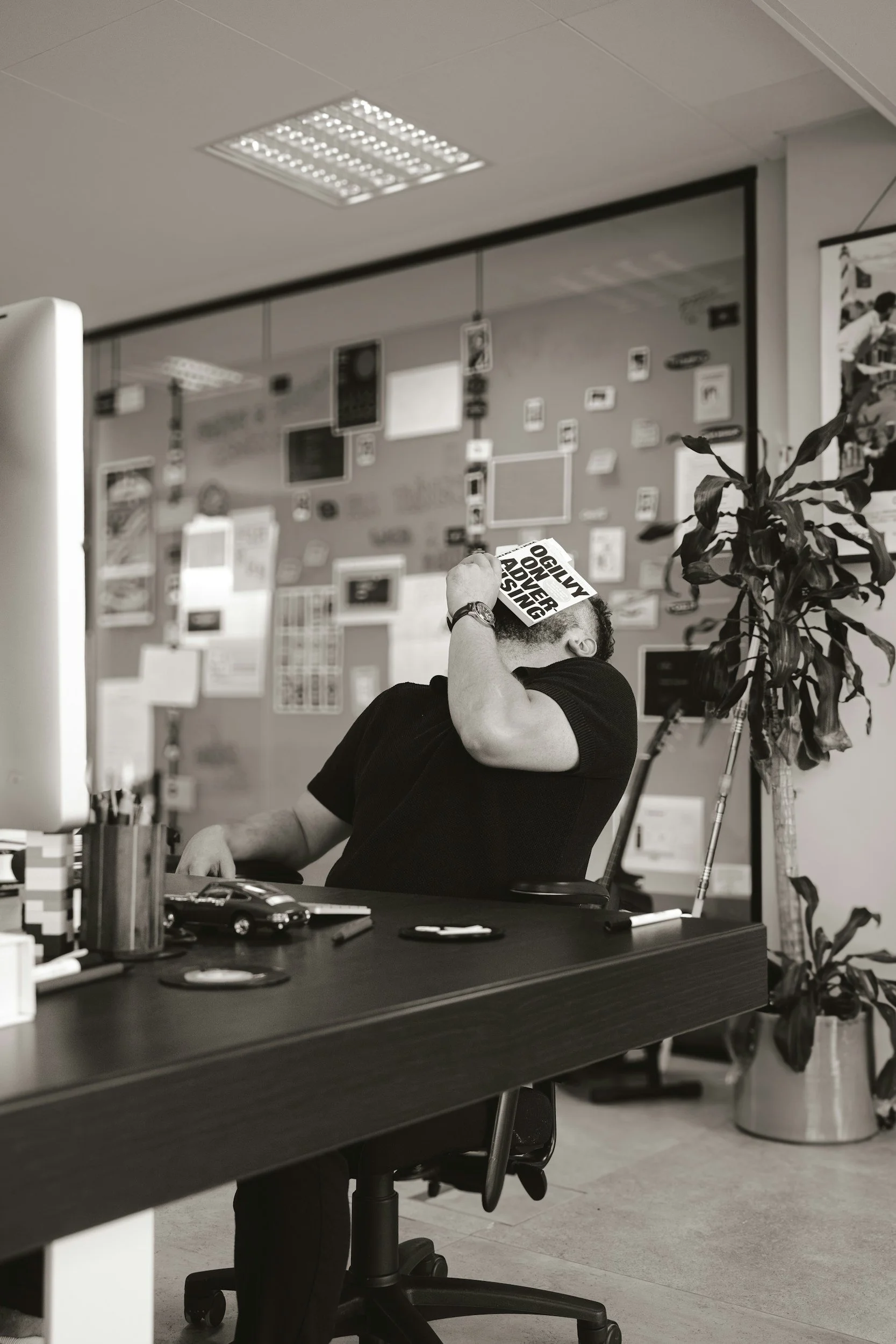
Panic rarely announces itself in business. More often, it arrives disguised as urgency—compressed timelines, accelerated decisions, and an unspoken belief that speed will compensate for uncertainty. In these moments, leaders act decisively, teams mobilize quickly, and activity intensifies. From the outside, it can even resemble momentum. In reality, panic is one of the most costly operating modes an organization can adopt.
Periods of volatility—market shifts, revenue pressure, competitive threats—create environments where leaders feel compelled to act quickly.
Marketing is often the first function to absorb this pressure.
Campaigns are launched prematurely. Channels are added without integration. Budgets are reallocated in response to short-term signals rather than long-term strategy. These decisions are rarely irrational; they are understandable responses to uncertainty. But when urgency begins to replace judgment, organizations sacrifice coherence for speed. The result is not agility. It is fragmentation.
While the financial cost of reactive marketing is measurable, the more consequential losses are structural. Inconsistent messaging weakens brand equity. Rapid shifts in direction erode internal trust. Teams expend energy recalibrating instead of building. Over time, decision fatigue sets in, and confidence in leadership—particularly within marketing and growth functions—declines.
Perhaps most damaging is the normalization of instability. When constant change becomes the default, organizations lose the ability to distinguish between what is urgent and what is important. Strategic work gives way to motion, and progress becomes increasingly difficult to assess.
Panic is not a function of inexperience. Highly capable leaders are equally susceptible under sustained pressure. Modern business environments reward responsiveness, performance metrics update in real time, and stakeholders expect immediate answers. In the absence of a clear decision-making framework, reaction becomes the path of least resistance. This is not a failure of leadership; it is a failure of structure.
The most resilient organizations are not those that move the fastest, but those that move with the greatest clarity.
They operate from defined priorities, understand what can wait, and allow their marketing efforts to compound rather than reset. Their teams align around direction instead of urgency. Calm, in this context, is not passivity—it is discipline.
Structure does not constrain growth; it sustains it.
Clear frameworks reduce cognitive load, defined strategies create continuity across channels and time horizons, and accountability becomes possible without constant intervention. When structure is present, organizations can absorb volatility without panic. When it is absent, even minor disruptions trigger disproportionate responses.
As economic and competitive pressures intensify, the cost of panic increases. Organizations that treat urgency as a substitute for strategy will expend more resources for diminishing returns. Those that invest in clarity—through structure, alignment, and disciplined leadership—will endure uncertainty more effectively and emerge stronger from it.
In business, panic is expensive. Calm is an advantage.
AttributionThis article reflects the perspective of ANKR, a strategy and fractional leadership consultancy focused on restoring clarity, structure, and momentum for growing organizations.
